Sep 3, 2026
Nail Salon Equipment Checklist: A Practical Buying Guide for Salon Owners and Wholesalers
Plain-language checklist of the electric nail drill and UV LED lamp, plus the certifications and warranty questions to ask a supplier before you place the order.
Buying salon equipment for the first time (or replacing a tired kit) is rarely just a price comparison. The wrong call shows up later as burned clients, lamps that do not cure thick builder gel, or a drill that dies halfway through the afternoon. If any of these questions sound familiar, this guide is for you:
- Do I actually need both an electric nail drill and a UV LED nail lamp on day one, or can I start with one?
- How many drills and lamps do I need for two technicians, four technicians, ten technicians?
- Which certifications (CE, FCC, RoHS, FDA) do I really need for my country or my reseller channel?
- What should I ask the factory before I send a deposit, and what should I expect in writing?
- Is it smarter to buy from a trading company or directly from the manufacturer?
This article walks through the practical checklist we use ourselves when a new salon or distributor opens a conversation with us. No buzzwords, just the questions that decide whether a purchase will quietly pay for itself, or become a recurring cost.
1. Start with the two tools that actually drive revenue
If you strip a nail salon down to the equipment that pays the rent, you usually end up with two things: an electric nail drill and a UV LED nail lamp. Everything else (dust collector, manicure table, lamp for the technician) is comfort. These two are where breakdowns cost you appointments.
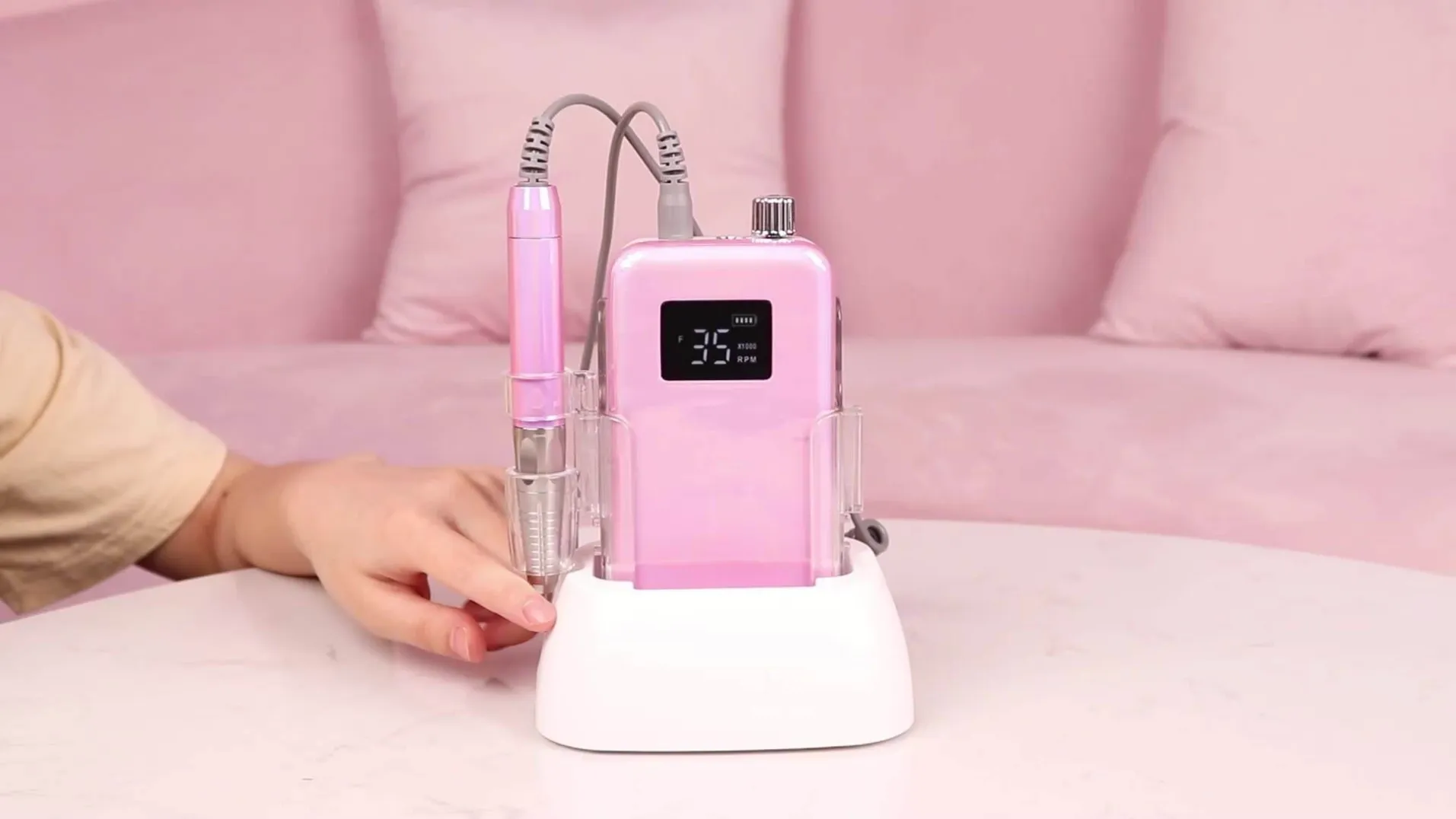
For the drill, the trade-off is between brushed and brushless motors. Brushless drills run cooler, last longer under back-to-back clients, and hold their RPM under load. Our SN352GS brushless nail drill and SN357GS brushless nail drill are 85W at 35,000 RPM with an HD display showing the exact working speed, useful when a client asks why her gel feels warm. For a smaller bench or mobile tech, the compact SN308S brushless nail drill is a lighter alternative. Higher-throughput salons usually look at our 85W brushless 45000RPM drill for faster cut-down on acrylics.
2. Match the specs to your throughput, not to the brochure
Manufacturers love to print the highest number on the box. For drills, the useful number is torque under load, not the headline RPM. For lamps, the useful number is dual-wavelength output (365nm + 405nm) and total wattage, not just LED.
A reasonable rule of thumb for a busy salon:
- One 35,000 RPM brushless drill per working station, plus one shared spare.
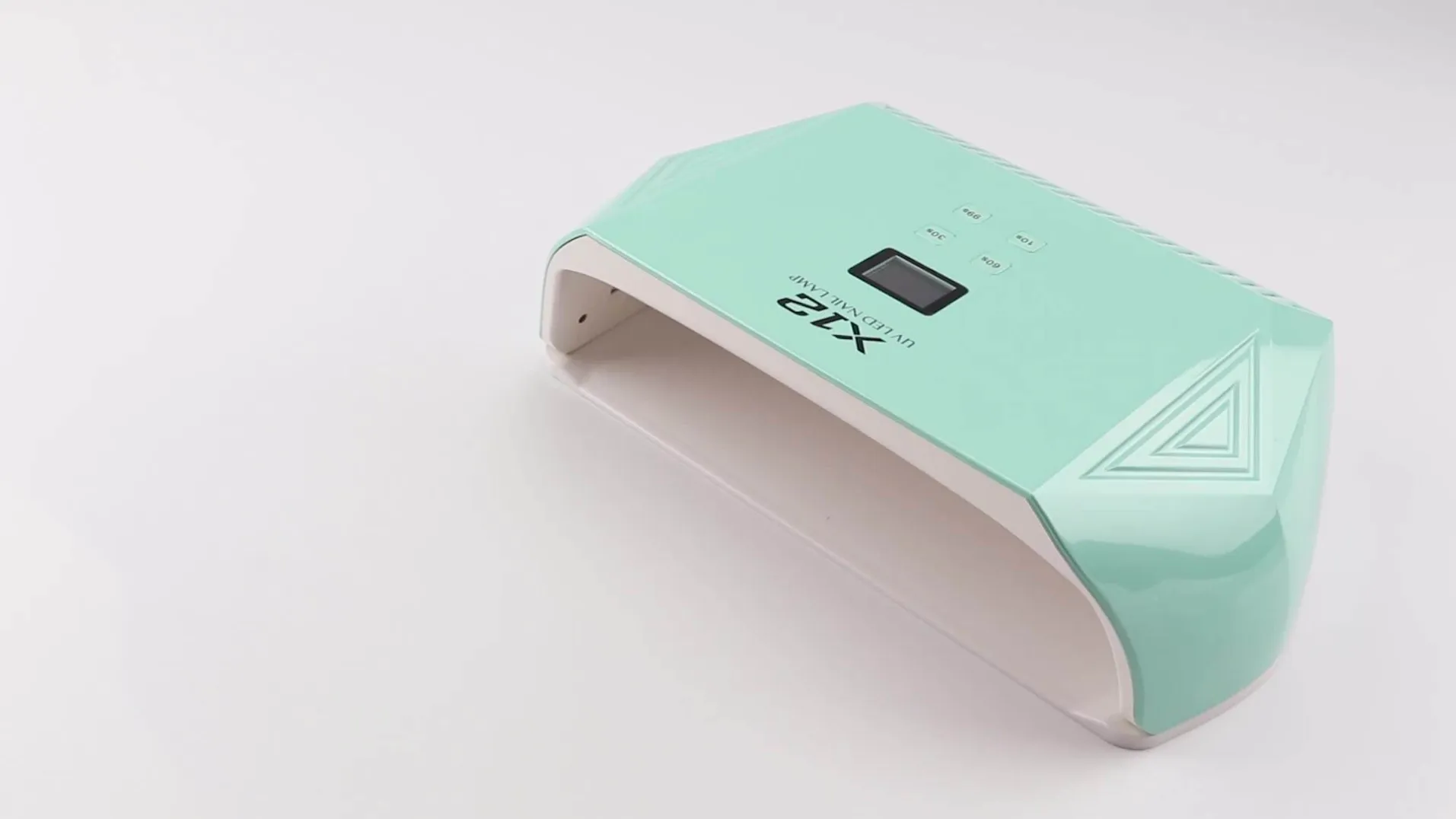
- One dual-hand UV LED lamp at 96W or above per two stations. A single-hand 48W lamp will work for one tech but slows down back-to-back services.
- For gel-polish-only menus, a 60W lamp is acceptable. For builder gel, hard gel, or polygel, push to 96W+.
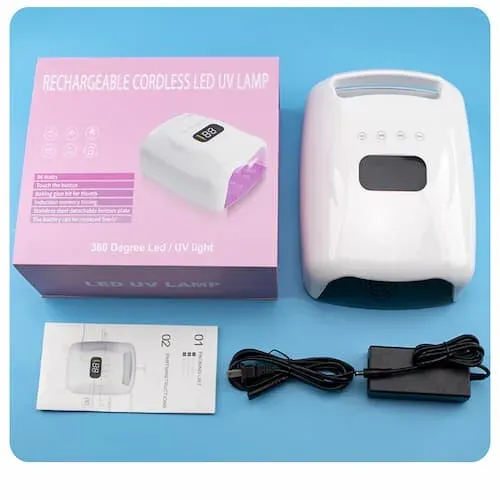
Our SN463 128W dual-hand UV LED lamp is the workhorse for high-volume salons; the cordless SN459 96W cordless red-light lamp and the SN475 96W cordless UV LED lamp suit mobile techs or salon stations where running a power cable is awkward.
3. If you ship across borders, certification is not optional
CE (EU), FCC (US), RoHS (EU), and FDA registration (US) are the four marks wholesalers and brand owners ask about first. They are also the easiest way to filter out a trading company that does not actually own a factory. Any manufacturer that hands you a CE certificate should be able to back it with a test report from a named lab (TUV, SGS, Intertek, CTC). Ask for the report number, not just the logo on the box.
If you sell under your own brand, also confirm:
- OEM/ODM capability: can the factory print your logo on the housing, change the default packaging, and adjust the user manual?
- Spare parts lead time: when a handpiece fails 14 months after delivery, can you still buy a replacement?
- Voltage and plug: 100V-240V universal input is becoming standard. Confirm before you order for a specific market.
4. Warranty and after-sales tell you whether the supplier will still exist next year
A 12-month warranty on the handpiece and a 6-month warranty on the lamp base is the minimum we expect to see. If a supplier offers only 3 months or refuses to put the term in writing, treat that as a signal. Same with response time on a warranty claim, anything longer than 72 hours for a critical failure (drill not turning on, lamp not curing) is hard to absorb at salon scale.
Two practical checks before you pay a deposit:
- Ask for a written proforma invoice that lists model, quantity, unit price, total price, Incoterm (usually FOB Shenzhen or EXW), lead time, payment terms (30% deposit / 70% balance is standard), and warranty terms.
- Ask for one sample shipped to you first, paid at retail or sample price. A factory that refuses to ship a single sample is usually a trading company. Cure, run, weigh, smell, and you will know in 10 minutes whether the kit is worth a bulk order.
Common mistakes when building your salon equipment list
- Buying the cheapest drill on the marketplace. Brushed motors run hot, lose RPM under pressure, and burn out within a year of daily salon use.
- Choosing a single-wavelength lamp because it was on sale. A 405nm-only lamp will not cure traditional UV gels; you will end up with peeling and angry clients.
- Skipping the spare drill. One drill failure during a Saturday rush costs more than a backup unit.
- Ordering more lamps than drills. The drill is the tool that wears out first; budget for it accordingly.
- Not asking for a written warranty. Verbal promises do not survive a freight delay or a customs hold.
What to send before you inquire
To get a useful quote back within 24 hours, send the supplier:
- Target market (EU / US / UK / AU / LATAM), so they pull the right certificate.
- Estimated monthly volume for the first 6 months.
- Whether you need OEM (your logo on existing models) or ODM (a custom look).
- Preferred packaging: retail color box, plain brown box, or your branded box.
- Target unit price (FOB), so they can recommend the right tier.
- Shipping method and Incoterm preference.
FAQ
Is a 35,000 RPM brushless drill enough for a busy salon? Yes, for most gel, gel-x, and soft acrylic work. For heavy acrylic removal all day, look at 40,000+ RPM with a higher torque rating.
Do I really need a 96W+ lamp if I only do gel polish? Not strictly. A 48W dual-wavelength lamp will cure most gel polishes correctly. The 96W+ lamps matter when you are doing builder gel, multiple coats, or back-to-back clients.
CE and FCC at the same time, is that normal? Yes, for products sold in both EU and US. CE covers the EU; FCC covers the US. Some factories hold both; others only hold one and need a separate run for the other.
What is a realistic lead time for a 500-unit first order? For stocked models, 7 to 15 days. For OEM color or branded packaging, add 10 to 20 days. Peak season (September to December) usually adds another week.
Next steps
Browse our full product range for the current drill and lamp lineup, or send your target market and monthly volume to our team through the contact page for a written quote within one business day.