Aug 24, 2026
How to Choose an Electric Nail Drill Machine for Salon & Home | ZY NAILS
Wondering which electric nail drill machine to buy? Compare motor type, RPM, handpiece weight and bit compatibility, and learn how to pair it with a UV LED nail lamp. Includes a pre-inquiry checklist.
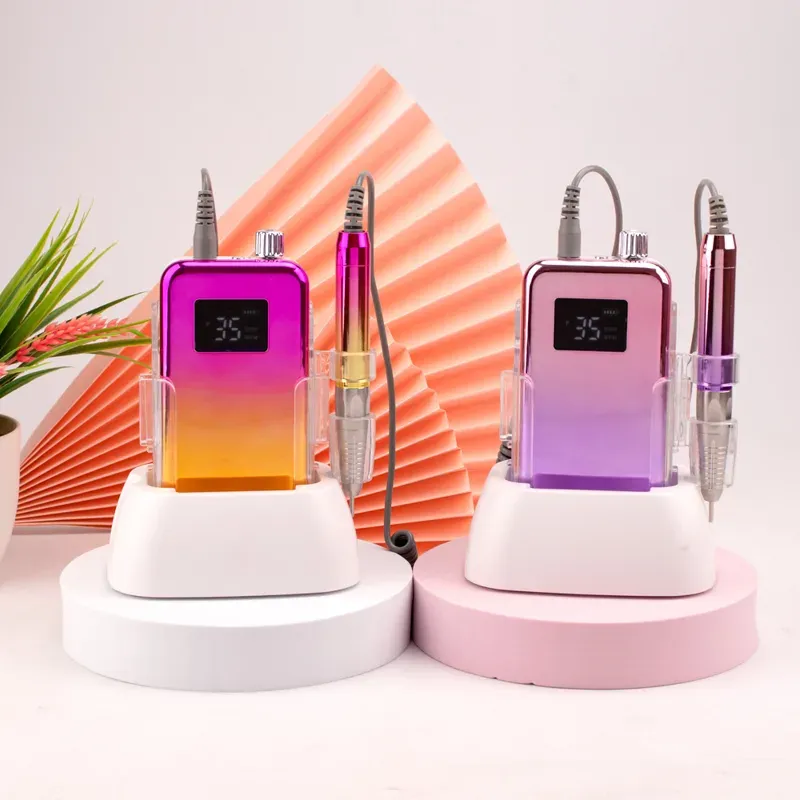
Choosing the right electric nail drill machine comes down to four things: motor type, speed and torque, handpiece weight, and how well it works with the nail drill bits you already use. This guide walks through each factor with practical examples, so you can shortlist models before sending an inquiry — and avoid buying a machine that overheats or feels heavy after 20 minutes of use.
Why the nail drill machine matters for your work
A nail drill (also called an e-file) does the repetitive, precise work that manual filing can't: removing gel and acrylic, shaping the natural nail, cleaning cuticles, and speeding up prep. For a busy salon or a home studio, the machine is the single most-used tool you own. Picking the wrong one means slower service, client discomfort, and premature burnout of the handpiece.
The good news: once you know the few specs that actually affect daily use, most models become easy to compare.
Key factors to compare before you buy
Motor type — brushed vs brushless
The motor decides how the machine feels over a full day.
Brushed motor
- Heat after 30 min: noticeable
Noise: higher
- Lifespan: shorter
Price: lower
Brushless motor
- Heat after 30 min: low
Noise: quieter
- Lifespan: longer
Price: higher
Brushless machines, such as our ZY352 brushless nail drill, stay cool and quiet during long sessions and need less maintenance. For daily professional use, brushless is the safer long-term choice.
Speed (RPM) and torque
Most professional drills run between 0 and 30,000–35,000 RPM. A higher top speed isn't always better — what matters is stable torque at low speeds. Low-speed control matters when you work near the cuticle or refine the sidewalls, where a sudden jump can catch the skin.
Look for a machine with:
- Adjustable speed with a clear digital or dial display
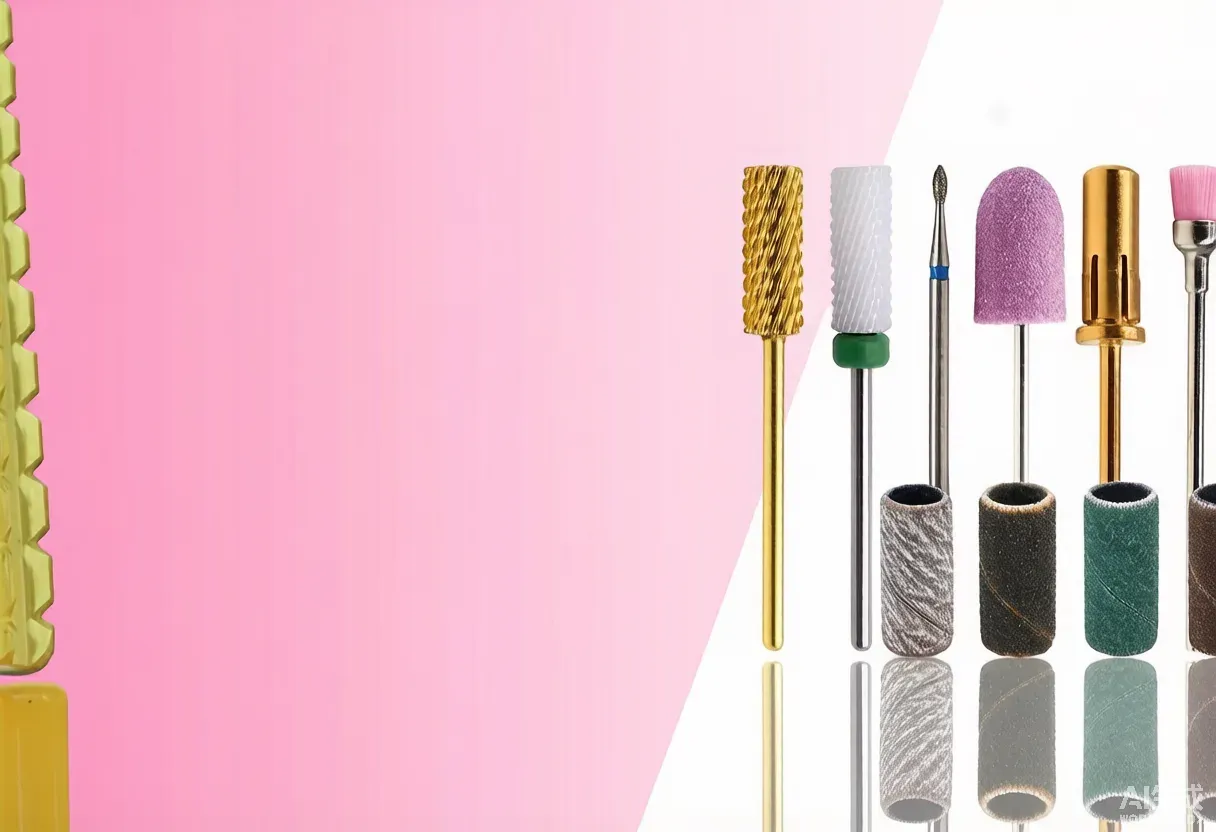
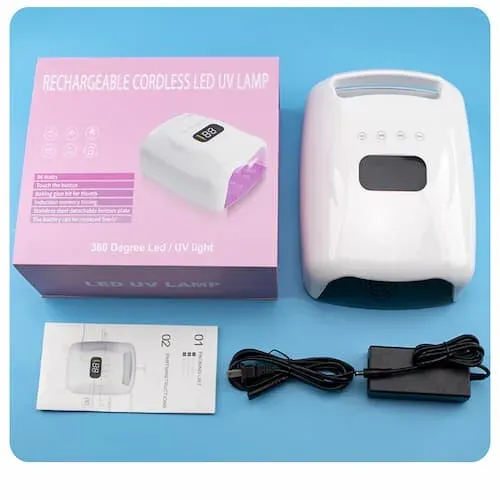
Forward /30,000 RPM with stable low-speed torque is enough. You rarely use the top end.**Are the bits interchangeable between brands?**If both use the standard 2.35 mm (3/32") shank, yes. Confirm the collet size before buying in bulk.**Do I need a separate lamp if I mostly do gel polish?**Yes. The drill shapes and preps; a UV LED lamp cures gel. They solve different steps.## Next stepsBrowse our [brushless nail drill machines](https://www.zynails.com/products/brushless-nail-drill-zy352gs) or see the full [product range](https://www.zynails.com/products). Pair it with the [ZY459 LED UV nail lamp](https://www.zynails.com/products/led-uv-nail-lamp-zy459) for a complete gel workflow. For wholesale pricing or certification questions, [contact our team](https://www.zynails.com/contact-us). affects plug and certification)- **Preferred motor type** (brushless recommended for daily use)- **Bit shank size** you already stock (usually 2.35 mm)- **Lamp pairing**: do you also need a UV LED lamp like the ZY459?- **Certification needs** (e.g., CE for Europe, FCC for US)## FAQ**Can a beginner use a professional nail drill machine?**Yes, but start at low RPM and practice on a tip or practice hand before working on clients. The reverse function and a fine diamond bit make learning safer.**How many RPM do I need?**For most gel and acrylic work, 0– budget for both.## Common mistakes when buying a nail drill1. **Chasing the highest RPM.** Top speed rarely helps; low-speed stability does.2. **Ignoring handpiece weight.** Specs look great until you hold it for 3 hours.3. **Forgetting bit compatibility.** A cheap, non-standard collet locks you into one bit brand.4. **Buying on price alone.** A brushed motor may save money upfront but costs more in replacements and client comfort.5. **Skipping the reverse function.** Left-handed techs and certain techniques need it.## What to prepare before you send an inquiryTo get an accurate quote and lead time, send your supplier:- **Use case**: salon, home studio, or wholesale / distribution- **Order quantity** and target market (EU, US, etc. — carbide, ceramic, diamond- **Carbide bits**: best for removing acrylic and hard gel fast; choose fine vs coarse grit by task.- **Ceramic bits**: run cooler than carbide, good for surface work and the cuticle area.- **Diamond bits**: for natural nail refinement and cuticle cleaning; gentle but slower.### Shapes for different tasks- **Barrel / cylinder**: bulk removal and surface shaping.- **Cone**: precision work, sidewalls, under-nail.- **Needle / flame**: cuticle cleaning and detail.A starter set that covers barrel, cone, and a fine diamond bit handles 90% of daily work.## Pairing your drill with a UV LED nail lampA drill and a lamp are a workflow pair, not competitors. After shaping and cuticle work with the drill, gel polish and top coat need a UV LED lamp to cure. When choosing both:- Match the lamp to the gel you use; our ZY459 LED UV nail lamp covers common gel brands with even, fan-cooled curing.- Keep the drill bits away from the lamp's curing area to avoid accidental curing on the bit.- If you mainly do gel polish, the lamp matters as much as the drill — the part you actually touch nails withThe handpiece is only as useful as the bits you can mount. Check the collet / chuck size (most pro machines use a 2.35 mm / 3/32" shank) and whether the machine ships with a twist-lock or keyless chuck. Standard 2.35 mm bits from most brands will fit, which keeps replacement cheap.## Choosing the right nail drill bits to matchThe drill machine is half the story; the bits do the cutting. Matching the right bit avoids overheating the natural nail and gives a cleaner finish.### Materials — your clients will feel that heat too.### Bit compatibility —70 g in the hand feels comfortable for full-day use; heavier units tire the hand quickly.### Heat and noise during long sessionsHeat builds up at the handpiece and the bit. Brushless motors and aluminum handpiece bodies dissipate heat better. If a demo unit gets hot within 10 minutes, skip it — reverse rotation (helps both right- and left-handed techs)- Consistent torque so the bit doesn't stall under pressure### Handpiece weight and ergonomicsYou hold the handpiece for hours. A lighter, balanced pen-style handpiece reduces wrist fatigue. As a rule of thumb, anything under about 60–